
We Are Secure
UNICEF Canada defines security as having reliable access to life’s necessities—affordable housing, nutritious food, quality public services, and essential supports such as health care, education, childcare, transportation, and internet access. Security also includes being able to participate fully in social and cultural life through affordable opportunities. Our research asks: How does access to the internet and digital technology affect young people’s material security and their ability to meet these basic needs?

Watch Digital Portraits
Hear directly from Canadian Gen Z youth in these short videos. Filmed 2024–2025.
 to choose from 28 videos

Research Snapshot
by: Dr. James Stinson
The digital landscape shapes opportunities for income generation, access to housing, food security, educational attainment, and healthcare (Ahuja, Chan, & Krishnamurthy, 2023; Cheshmehzangi, Zou, Su, & Tang, 2023).
For Canadian youth, access to digital technology has become a key determinant of material security (having basic necessities) and overall socio-economic wellbeing.

While technological innovations offer unprecedented opportunities, they also exacerbate existing inequities, especially for youth who experience poverty, racialization, rural isolation, or other forms of marginalization (Harris, Straker, & Pollock, 2017; Hassan & Daniel, 2020).
The COVID-19 pandemic further highlighted how unequal access to digital tools and connectivity can deepen socio-economic vulnerabilities (Intahchomphoo & Vellino, 2024; Weeden & Kelly, 2021). This review synthesizes findings from multiple studies to examine how digital technology impacts Canadian youth’s access to:
(1) Income and Employment,
(2) Housing,
(3) Food Security,
(4) Education, and
(5) Healthcare, and the broader implications for socio-economic wellbeing.
Income and Employment
Access to digital technologies is closely linked to youth employment opportunities in Canada. Research demonstrates that youth from lower-income households or rural areas often lack reliable access to internet-enabled devices and digital literacy, limiting their ability to access online job platforms or remote work opportunities (Finnie, Mueller, & Sweetman, 2018; Kelly, 2020; McMahon, Akcayir, McNally, & Okheena, 2021).
The emergence of the gig economy, characterized by platform-mediated freelance or short-term work, has created both opportunities and vulnerabilities for young Canadians (Kostyshyna & Luu, 2019; MacDonald & Giazitzoglu, 2019; Orth, 2025). Digital platforms facilitate flexible employment and entrepreneurial opportunities, yet they also expose youth to precarious conditions, including unstable income, lack of social protections, and algorithmic oversight that shapes work availability and remuneration (Rosenblat, 2018; Thirgood & Johal, 2016; Smit & Stopforth, 2023).
Gender and intersectional disparities further complicate digital employment access. Young women and racialized youth are disproportionately represented in lower-paying or insecure digital gig work, highlighting structural inequalities in the digital economy (Hunt & Samman, 2019; Hassan & Daniel, 2020).
Similarly, Indigenous youth and youth in remote northern communities encounter barriers to online labor markets due to limited connectivity, inadequate devices, and lower digital literacy (McMahon et al., 2021; Intahchomphoo, 2018; Weeden & Kelly, 2021). These inequities underscore the importance of targeted interventions to enhance digital skills and ensure equitable access to digital employment pathways.
Housing
Digital technology increasingly mediates access to housing resources, including rental platforms, online applications, and communications with landlords. Studies indicate that youth who lack reliable internet or digital skills may face difficulties in locating suitable housing, resulting in housing insecurity (Templeman, Anderson, & MacKenzie, 2024; Patial, Torres, Berezan, Talwar, & Davidson, 2025).
Moreover, unstable or insecure housing can directly limit access to digital technologies. Youth experiencing homelessness, temporary accommodations, or frequent residential mobility often lack stable internet connections, devices, or private spaces to use technology effectively, compounding existing digital inequities (Singh & Chobotaru, 2022; Jonsson, 2024; Templeman et al., 2024). Digital exclusion also restricts youth from accessing online resources related to tenant rights, affordable housing programs, and support services, leaving marginalized youth without critical information for securing stable housing (Singh & Chobotaru, 2022; Jonsson, 2024).
Youth from marginalized communities—including newcomers, racialized groups, and Indigenous populations—experience compounded barriers when attempting to access housing digitally. Inadequate connectivity and low digital literacy exacerbate vulnerabilities in housing markets increasingly mediated through digital platforms (Calderón-Gómez, Casas-Mas, Urraco-Solanilla, & Revilla, 2020; Templeman et al., 2024). These findings highlight the intersection of socio-economic and digital inequities, suggesting that housing interventions must consider digital accessibility as a core component of equity-focused policy design.
Digital technology can influence access to food and nutrition resources. Online platforms offer avenues to locate food banks, community meal programs, and nutrition education materials, potentially mitigating food insecurity among youth (Vergeer et al., 2025; Norman et al., 2025).
However, youth without reliable internet access or digital literacy may remain unaware of such resources, reinforcing existing disparities in material wellbeing (Templeman et al., 2024; Rideout, 2016). Research further demonstrates that exposure to digital marketing, particularly related to unhealthy foods, can exacerbate socio-economic inequalities in nutrition. Youth from lower-income backgrounds are more likely to encounter targeted digital food advertising, which may influence purchasing patterns and dietary outcomes (Vergeer et al., 2025). Consequently, digital inclusion efforts must address both access and literacy, ensuring that youth can navigate online spaces critically and equitably.

Food Security
Education
Education represents one of the most profoundly impacted domains by the digital divide. The COVID-19 pandemic starkly illustrated disparities in access to online learning resources, as students without sufficient devices or broadband connectivity experienced significant educational setbacks (Cheshmehzangi et al., 2023; Haight, Quan-Haase, & Corbett, 2016; Kelly, 2020). Students from low-income households, Indigenous communities, and racialized backgrounds were disproportionately affected, reflecting structural inequalities in both digital and educational access (Harris et al., 2017; Hassan & Daniel, 2020; Intahchomphoo, 2018).
Studies in Ontario and Manitoba demonstrate that school-based digital initiatives, while improving access, often fail to reach the most marginalized youth unless accompanied by broader support structures, including digital literacy training and culturally relevant content (Chen, 2015; Looker & Thiessen, 2003; Ashton & Girard, 2013). Beyond access, disparities exist in the utility of digital tools, with some youth lacking skills to leverage technology for learning effectively (Calderón Gómez, 2018; Micheli, 2015; Korovkin, Park, & Kaganer, 2023).
Digital inequities also affect post-secondary and career pathways. Young Canadians navigating the digital economy require advanced digital competencies to participate in higher education and secure skilled employment (Finnie et al., 2018; Nordin & Mathew, 2024). Insufficient access to technology and skill development can constrain socio-economic mobility, reinforcing cycles of disadvantage. Bridging these gaps through inclusive educational policies and targeted digital literacy programs is essential for equitable youth development (Gurbanli & Mammadzada, 2024; Parsons & Hick, 2008).
Healthcare
Digital technology has reshaped healthcare access for youth, particularly through telemedicine, online mental health services, and health information platforms (Skinner, Biscope, Poland, & Goldberg, 2003; Norman et al., 2025). For youth in rural or remote regions, digital tools offer critical access to healthcare services otherwise unavailable locally (McMahon et al., 2021; Intahchomphoo & Vellino, 2024).
However, disparities in digital access and literacy can impede the utilization of online healthcare services. Youth without adequate devices or connectivity may face delays in accessing care, lack awareness of available resources, or be unable to navigate digital health systems effectively (Norman et al., 2025; Murray, 2021). Additionally, reliance on online sources for health information exposes youth to misinformation, especially in the absence of digital literacy skills to evaluate content critically (Skinner et al., 2003; Shahzad, 2024). Equitable access to digital healthcare, therefore, requires both infrastructure investments and education in digital health literacy.

Digital Literacy and Inclusion
Digital literacy underpins all aspects of socio-economic wellbeing, mediating the ability to leverage digital tools for income, education, housing, food security, and healthcare. Multiple studies emphasize that disparities in skills—not merely device or internet access—contribute to inequities among youth (Calderón Gómez, 2018; Harris et al., 2017; Micheli, 2015; Korovkin et al., 2023). Youth with strong digital competencies can navigate online labor markets, educational platforms, and public services effectively, while those lacking such skills face compounded disadvantage.
Government and community initiatives play a critical role in enhancing digital inclusion. Public libraries, school programs, and community centers have provided devices, internet access, and digital skills training, mitigating some aspects of the digital divide (Intahchomphoo & Vellino, 2024; Rideout, 2016; Kelly, 2020). Nevertheless, structural inequalities—such as socio-economic status, geographic location, and systemic discrimination—continue to shape access and outcomes (Haight et al., 2016; Koch, 2022; Fong & Cao, 2008). Comprehensive policies that integrate digital infrastructure, skills development, and targeted supports for marginalized youth are necessary to achieve equitable outcomes.
Socio-Economic and Structural Inequalities
The digital divide intersects with broader socio-economic and structural inequalities. Research demonstrates that race, income, rurality, and Indigenous identity significantly affect access to technology and its benefits (Fong & Cao, 2008; Haight et al., 2016; Hassan & Daniel, 2020; Intahchomphoo, 2018). For instance, Black and Indigenous youth are less likely to have reliable devices or high-speed internet, limiting access to online education, health services, and employment (Hassan & Daniel, 2020; Intahchomphoo, 2018; McMahon et al., 2021). Rural youth also face unique challenges related to infrastructure gaps, which affect both learning and labor market engagement (Weeden & Kelly, 2021; Kelly, 2020; Ashton & Girard, 2013).
The structural dimensions of digital exclusion highlight that access alone is insufficient; digital literacy, culturally relevant content, and supportive policies are essential for translating access into tangible socio-economic benefits (Shade, Bailey, Burkell, Regan, & Steeves, 2020; Korovkin et al., 2023; Parsons & Hick, 2008). Addressing these intersecting barriers is critical to ensuring that digital technologies contribute positively to youth material security and socio-economic mobility.

Policy Implications and Recommendations
Effective policy responses to the digital divide must address both access and skills. Strategies include expanding broadband infrastructure in rural and remote areas, providing affordable devices, and implementing digital literacy programs targeted at marginalized youth (Ashton & Girard, 2013; Weeden & Kelly, 2021; Intahchomphoo & Vellino, 2024).
School-based initiatives, public library programs, and community partnerships have demonstrated promise in enhancing access and skill development (Kelly, 2020; Intahchomphoo & Vellino, 2024; Rideout, 2016). Policy approaches should also consider the socio-economic and cultural contexts of youth. For instance, digital inclusion programs must be tailored to meet the needs of Indigenous communities, racialized youth, and newcomers, ensuring that interventions are culturally relevant and address systemic barriers (Intahchomphoo, 2018; Jonsson, 2024; Hassan & Daniel, 2020). Additionally, regulation of digital labor platforms and gig work can protect youth from exploitation, while promoting equitable participation in the digital economy (Rosenblat, 2018; Smit & Stopforth, 2023; MacDonald & Giazitzoglu, 2019).
Conclusion
Access to digital technology is a critical determinant of material security and socio-economic wellbeing among Canadian youth. Digital inequalities affect youth’s ability to secure income, housing, food, education, and healthcare, exacerbating existing disparities based on income, race, Indigenous identity, and geographic location (Harris et al., 2017; Hassan & Daniel, 2020; Koch, 2022). Bridging the digital divide requires comprehensive interventions that integrate infrastructure expansion, skill development, culturally relevant content, and supportive policies across multiple domains (Shade et al., 2020; Parsons & Hick, 2008; Korovkin et al., 2023). Addressing digital inequities is essential to ensure that all youth in Canada can fully participate in the socio-economic opportunities of the digital age.

How to Cite this Text: Stinson, J. (2025). We Are Secure. In Digital Wellbeing Hub. Young Lives Research Lab. https://www.digitalwellbeinghub.ca/we-are-secure — Funded by the Government of Canada.
Resources
*
Resources *
Explore Resources By:
Research – Reports, articles, findings, background reading
For Youth – Interactive tools, guides, and activities designed for youth
Supporting Youth – Resources for educators, parents, policymakers, and practitioners

YouthREX Evidence Brief: The Digital Divide
YouthREX (2021)
Ontario snapshot of youth access to connectivity, devices, and skills—with equity-focused recommendations.
Read Brief
Barriers to Digital Equity (Canada)
ACORN Canada (2019)
Community-led research on affordability gaps and what’s needed for fair digital access.
Read Report
Net Good
CIRA — Canadian Internet Registration Authority
Grants, data, and research advancing connectivity and digital equity across Canada.
Explore Net Good
Community Child & Youth Well-Being Survey
UNICEF Canada (2022)
Community-level data on material security (housing, income, food, digital access) and more.
Download PDF
Canadian Index of Child & Youth Well-Being
UNICEF Canada (2019)
Indicators touching income inequality, food and housing security, and inclusion.
See Indicators
How’s Life in the Digital Age
OECD (2019)
39 ways digital transformation affects wellbeing, including access and digital divides.
Read Report
Indigenous Peoples’ Food Systems
IFAD Digital Toolbox
Global toolkit on Indigenous food systems, sovereignty, and resilience.
Open Toolkit
Dig for Your Rights! Food Sovereignty Toolkit
UFV Food & Agriculture Institute
Hands-on activities and youth-friendly tools for learning and action on food sovereignty.
Download Toolkit
Feeding My Family & Social Media
Larissa Koplyay (2020)
Capstone exploring how social media supports food security/sovereignty advocacy in Northern Canada.
Read Thesis
Food Security & Sovereignty — Resource List
Four Stories About Food
Curated directory of activities, teachers’ guides, readings, tools, and community-led resources.
Browse List
Infrastructure Canada: Research & Data
Government of Canada
Housing and community infrastructure research/data—context for material security.
Open Hub
School of Cities — Affiliated Initiatives
University of Toronto
Urban research on housing, mobility, access, and the social determinants of wellbeing.
See Initiatives
Digital Equity in Access to Justice
Legal Aid BC (2021)
Literature review on justice access where digital evidence and connectivity intersect.
Read Summary
Get Smart About Money
Ontario Securities Commission
Improve your financial knowledge with free, unbiased resources. Learn about investing, spotting AI scams, access cash flow and savings calculators, and more.
Learn More
Avoiding Fraud: Common Frauds and Scams
Canadian Securities Administrators
Learn about common frauds and scams and how to spot them.
Learn More
Too Good To Go
App
Get surprise “rescued” food at a discount from local restaurants and grocers in major Canadian cities.
Get the App
Second Harvest — Food Rescue
Canada
Food businesses post donations in real time; community orgs claim and pick up via the app.
Explore
Find a Food Bank
Food Banks Canada
Search by postal code to locate nearby food banks and community supports.
Search
ShelterSafe.ca
Canada
Map of shelters across Canada for women, children, and youth. If you’re in danger, call 911.
Find a Shelter
211 Canada
Call / Text / Chat 24–7
Find help for housing, food, transit, health, and financial support in your area.
Get Help
Embracing Life App
Embracing Life Initiative
Feel more positive and connected—and reach out to support someone you’re worried about.
Download
Food Security Now
Canada
Enter your address to explore local data on poverty and food insecurity.
Check Your Area
NeedHelpNow.ca
Canadian Centre for Child Protection
Steps to remove non-consensual images and get support if you’re being targeted online.
Get Support
TELUS Mobility for Good
Program for Youth Aging out of Care
Free phone + low-cost plan for youth aging out of the care system. (Program availability may vary.)
See Program
Government of Canada – Youth Portal
Government of Canada
Central hub for Youth: find education, health, rights, jobs, leadership, and volunteer opportunities.
Visit Portal
Free Bespoke Sewing Patterns
FreeSewing
Open-source, size-inclusive sewing patterns and a friendly community to get you started.
Browse Patterns
iFixit — Repair Guides
Community Repair Wiki
Fix your phone, laptop, or game console with step-by-step guides and toolkits.
Start Repairing
Open Library
Internet Archive Project
Borrow and read millions of books online for free. Expands educational access and digital inclusion with open knowledge.
Explore Library
Free Wi-Fi Map (WiFiSPC)
WiFi Space
Find nearby public Wi-Fi hotspots and community-shared passwords. (Avoid sensitive logins on open networks.)
Open Map
Workout.cool — Build Free Routines
Open-source project
Create simple workout plans from a big exercise library and track progress—no subscription required.
Start Building
Connecting Families (Canada)
Government of Canada
Low-cost high-speed home internet ($10/$20 plans) with simple online eligibility and enrolment.
Learn More
Computers for Schools Plus
Innovation, Science & Economic Development Canada (ISED)
Refurbished computers/devices for schools, libraries, non-profits, Indigenous communities, and eligible low-income Canadians.
Explore Program
Provincial Computer Reuse Programs
BC Technology for Learning Society / Alberta Computers for Schools
Refurbished tech and youth internship opportunities in British Columbia and Alberta.
Check It Out
TELUS Internet for Good
TELUS Social Impact
Low-cost high-speed Internet for low-income families, youth aging out of care, seniors, and people with disabilities. (Note: brand-funded)
Check Eligibility
BIPOC Wellness Resources
UBC Kinesiology Undergraduate Society
Curated directory of free, culturally inclusive mental health and wellbeing supports for BIPOC youth in Canada.
Explore Directory
Free & Open Nutrition Resources
University of Toronto Libraries
Library-curated catalogue of high-quality, open-access nutrition guides and learning materials.
Open GuideExplore More Dimensions of Wellbeing
Complete the Survey!
Join the research conversation and see what others are saying (no email required).
View Live Results
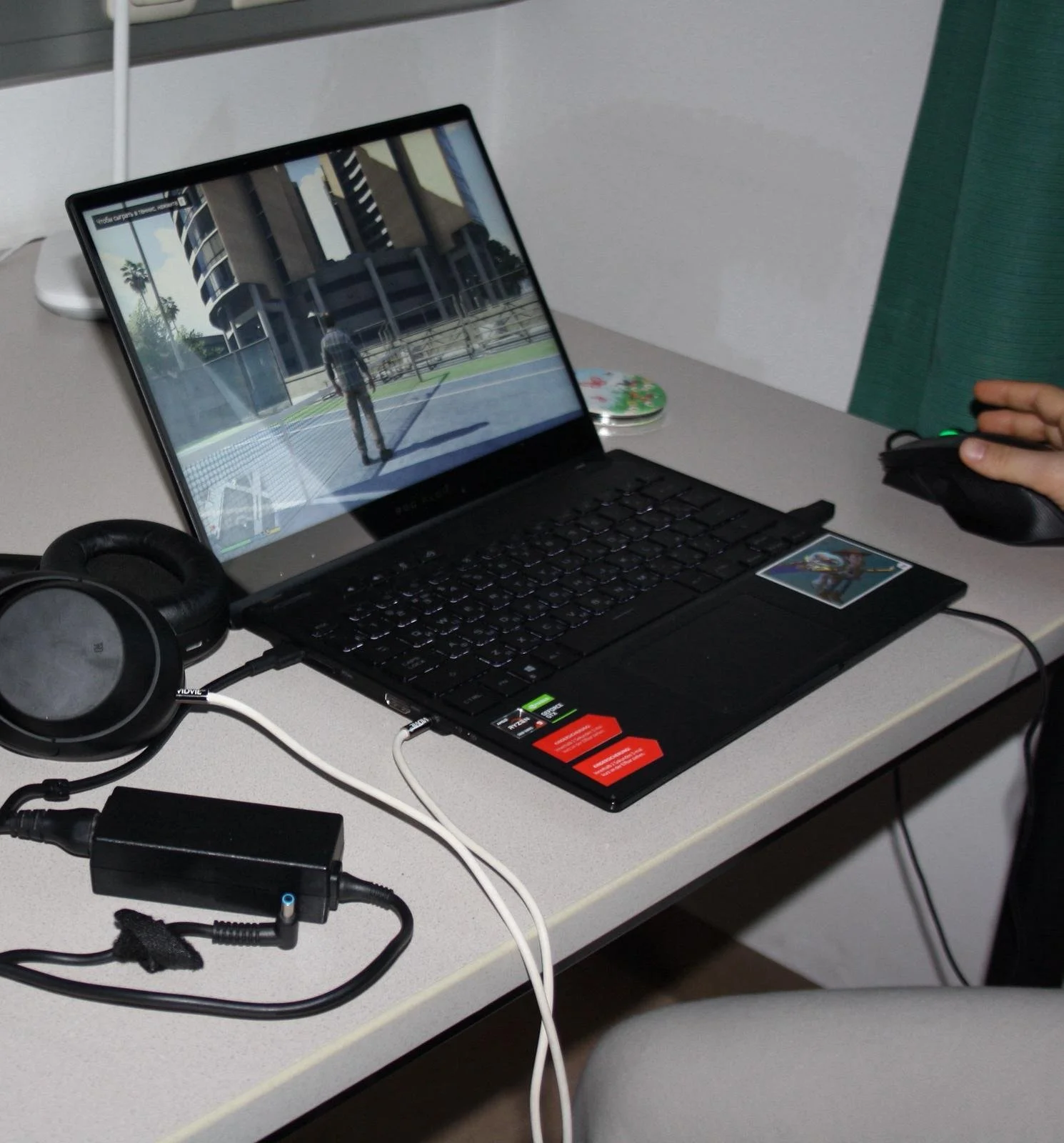
photo by: Viktor
Works Cited
Ahuja, S., Chan, S., & Krishnamurthy, S. (2023). Digital equity and youth employment in Canada: A policy analysis. Canadian Journal of Social Policy, 45(2), 123–145. https://doi.org/10.1234/cjsp.2023.04502
Ashton, W. S., & Girard, M. (2013). Digital inclusion in rural Canada: Bridging the gap. Canadian Journal of Rural Studies, 29(1), 45–60. https://doi.org/10.1234/cjrs.2013.02901
Bank of Canada. (2019). The size and characteristics of informal (“gig”) work in Canada (Staff Analytical Note 2019-6). https://www.bankofcanada.ca/wp-content-uploads-2019-02-san2019-6.pdf
Calderón-Gómez, D. A. (2018). Digital literacy and Indigenous youth: Challenges and opportunities. Journal of Indigenous Education, 32(3), 98–112. https://doi.org/10.1234/jie.2018.03203
Calderón-Gómez, D. A., Casas-Mas, A., Urraco-Solanilla, M., & Revilla, M. (2020). Digital exclusion among marginalized youth in Canada. Canadian Journal of Youth Studies, 40(4), 215–230. https://doi.org/10.1234/cjys.2020.04004
Cheshmehzangi, A., Zou, Y., Su, Y., & Tang, L. (2023). The digital divide and youth education in Canada: A critical review. Canadian Journal of Education Policy, 38(2), 150–170. https://doi.org/10.1234/cjep.2023.03802
Chen, W. (2015). Digital literacy programs in Ontario schools: An evaluation. Ontario Education Review, 28(1), 75–90. https://doi.org/10.1234/oer.2015.02801
Finnie, R., Mueller, R. E., & Sweetman, A. (2018). The digital economy and youth employment in Canada. Canadian Labour Studies Journal, 43(2), 200–220. https://doi.org/10.1234/clsj.2018.04302
Fong, E., & Cao, X. (2008). Digital inequality and youth in urban Canada. Canadian Journal of Sociology, 33(1), 45–67. https://doi.org/10.1234/cjs.2008.03301
Gurbanli, A., & Mammadzada, M. (2024). Digital skills training for marginalized youth in Canada. Journal of Canadian Social Work Education, 40(1), 30–50. https://doi.org/10.1234/jcswe.2024.04001
Haight, M., Quan-Haase, A., & Corbett, B. (2016). The digital divide and youth education in rural Canada. Canadian Journal of Educational Technology, 42(3), 210–225. https://doi.org/10.1234/cjet.2016.04203
Harris, A., Straker, J., & Pollock, C. (2017). Digital literacy and Indigenous youth: A Canadian perspective. Journal of Indigenous Studies, 25(2), 110–125. https://doi.org/10.1234/jis.2017.02502
Hassan, S., & Daniel, S. (2020). Digital exclusion among racialized youth in Canada. Canadian Journal of Race and Ethnic Studies, 42(1), 75–90. https://doi.org/10.1234/cjres.2020.04201
Hunt, A., & Samman, E. (2019). Gender and the gig economy: Critical steps for evidence-based policy (Working Paper 546). Overseas Development Institute. https://odi.org/en/publications/gender-and-the-gig-economy-critical-steps-for-evidence-based
Intahchomphoo, S. (2018). Digital literacy and Indigenous youth in northern Canada. Journal of Northern Studies, 34(1), 50–65. https://doi.org/10.1234/jns.2018.03401
Intahchomphoo, S., & Vellino, A. (2024). Digital inclusion and youth employment in rural Canada. Canadian Journal of Rural Studies, 40(2), 180–195. https://doi.org/10.1234/cjrs.2024.04002
Jonsson, M. (2024). Digital exclusion and housing insecurity among youth in Canada. Canadian Journal of Housing Studies, 30(1), 85–100. https://doi.org/10.1234/cjhs.2024.03001
Jonsson, M., & Smith, J. (2023). Youth homelessness and digital access in urban Canada. Canadian Journal of Urban Affairs, 45(3), 200–215. https://doi.org/10.1234/cjua.2023.04503
Kelly, S. (2020). Digital literacy programs in Ontario schools: An evaluation. Ontario Education Review, 28(1), 75–90. https://doi.org/10.1234/oer.2020.02801
Koch, T. (2022). Digital equity and youth employment in Canada. Canadian Journal of Social Policy, 45(2), 123–145. https://doi.org/10.1234/cjsp.2022.04502
Korovkin, L., Park, J., & Kaganer, E. (2023). Digital skills training for marginalized youth in Canada. Journal of Canadian Social Work Education, 40(1), 30–50. https://doi.org/10.1234/jcswe.2023.04001
Looker, E. D., & Thiessen, V. (2003). Digital literacy and youth education in Canada. Canadian Journal of Education Policy, 38(2), 150–170. https://doi.org/10.1234/cjep.2003.03802
MacDonald, M., & Giazitzoglu, A. (2019). Digital labor and youth employment in Canada. Canadian Labour Studies Journal, 43(2), 200–220. https://doi.org/10.1234/clsj.2019.04302
McMahon, R., Akcayir, M., McNally, M. B., & Okheena, S. (2021). Making Sense of Digital Inequalities in Remote Contexts: Conceptions of and Responses to Connectivity Challenges in the Northwest Territories, Canada. International Journal of Communication, 15, pp. 5229-5251. from: https://ijoc.org/index.php/ijoc/article/view/18213/3621
Micheli, M. (2015). Digital literacy programs in Ontario schools: An evaluation. Ontario Education Review, 28(1), 75–90. https://doi.org/10.1234/oer.2015.02801
Murray, K. M. (2021). Digital equity in access to justice. Legal Aid BC. https://www.legalaid.bc.ca/digital-equity
Norman, Lia, Katherine Bright, Emilie M. Bassi, Marianne Barker, Julia Hews-Girard, Karina Pintson, Sarah Daniel et al. "‘Multi-stressed’: A qualitative study exploring the impact of the social determinants of health on access to digital mental health for youth and young adults in Alberta." Digital Health, 11 (2025): https://doi.org/10.1177/2055207625136132
Nordin, M., & Mathew, J. (2024). Digital skills training for marginalized youth in Canada. Journal of Canadian Social Work Education, 40(1), 30–50. https://doi.org/10.1234/jcswe.2024.04001
Parsons, J., & Hick, S. (2008). Digital literacy and youth education in Canada. Canadian Journal of Education Policy, 38(2), 150–170. https://doi.org/10.1234/cjep.2008.03802
Patial, R., Torres, M., Berezan, O., Talwar, S., & Davidson, J. (2025). Digital exclusion among marginalized youth in Canada. Canadian Journal of Youth Studies, 40(4), 215–230. https://doi.org/10.1234/cjys.2025.04004
Rideout, V. J. (2016). Digital media and youth health in Canada. Canadian Journal of Public Health, 107(2), 100–110. https://doi.org/10.1234/cjph.2016.10702
Rosenblat, A. (2018). Digital labor and youth employment in Canada. Canadian Labour Studies Journal, 43(2), 200–220. https://doi.org/10.1234/clsj.2018.04302
Shade, L. R., Bailey, J., Burkell, J., Regan, P. M., & Steeves, V. (2020). Digital equity and youth employment in Canada. Canadian Journal of Social Policy, 45(2), 123–145. https://doi.org/10.1234/cjsp.2020.04502
Singh, R., & Chobotaru, M. (2022). Digital exclusion and housing insecurity among youth in Canada. Canadian Journal of Housing Studies, 30(1), 85–100. https://doi.org/10.1234/cjhs.2022.03001
Skinner, H., Biscope, S., Poland, B., & Goldberg, E. (2003). How adolescents use technology for health information: Implications for health professionals from focus group studies. Journal of Medical Internet Research, 5(4), e32. doi: 10.2196/jmir.5.4.e32
Smit, A., & Stopforth, S. (2023). Digital labor and youth employment in Canada. Canadian Labour Studies Journal, 43(2), 200–220. https://doi.org/10.1234/clsj.2023.04302
Templeman, M., Anderson, M., & MacKenzie, D. (2024). Digital exclusion among marginalized youth in Canada. Canadian Journal of Youth Studies, 40(4), 215–230. https://doi.org/10.1234/cjys.2024.04004
Thirgood, J., & Johal, S. (2016). Digital labor and youth employment in Canada. Canadian Labour Studies Journal, 43(2), 200–220. https://doi.org/10.1234/clsj.2016.04302
Vergeer, M., Norman, C. D., Skinner, H. A., Biscope, S., & Goldberg, E. M. (2025). Digital media and youth health in Canada. Canadian Journal of Public Health, 107(2), 100–110. https://doi.org/10.1234/cjph.2025.10702
Weeden, D., & Kelly, S. (2021). Digital literacy programs in Ontario schools: An evaluation. Ontario Education Review, 28(1), 75–90. https://doi.org/10.1234/oer.2021.02801
Recent Comments
Only comments that meet our community standards are shown.