

We Are Free to Play
UNICEF Canada defines this domain of wellbeing as having free time and space for self-directed play, accessible and welcoming opportunities, and a healthy balance between leisure, responsibilities, physical activity, sleep, and screen time. It also includes time with friends and being outdoors, while managing pressures from school, work, or family. Our research asks: How much free or recreational time do young people spend online, and what impact does digital play have on their wellbeing?
Watch Digital Portraits
Hear directly from Canadian Gen Z youth in these short videos. Filmed 2024–2025.
 to choose from 28 videos

Research Snapshot
by: Dr. James Stinson
Canadian children and adolescents live in a digital environment that shapes how they spend their leisure hours. Across Canada, public health guidelines emphasize the need to limit recreational screen time to 2 hours per day for school-aged children and youth (Tremblay et al., 2011). Despite these guidelines, research spanning more than a decade shows that most Canadian youth exceed recommended limits and spend substantial time each day on screens (Mark et al., 2006; Fitzpatrick et al., 2021).

This analysis examines:
(1) how much time Canadian youth spend on screens,
(2) what they do online, and
(3) the effects of screen use on free and recreational time.
It also highlights contextual factors including:
(4) parental, social, and environmental influences, and
(5) the impact of the COVID-19 pandemic on youth digital and play behaviors.

How Much Time Youth Spend on Screens
Canadian and U.S. studies indicate that youth screen use is high even in early childhood. Anderson, Economos, and Must (2008) reported that children aged 4 to 11 in the U.S. spent multiple hours per day in screen-based behaviors, and similar patterns are evident in Canada. Mark, Boyce, and Janssen (2006) found that among Canadian youth in grades 6 to 10, only 18 % of girls and 14 % of boys met the recommended two-hour limit on combined television and leisure computer use. Subsequent surveys confirm that by adolescence, average daily screen time far exceeds recommendations (Fitzpatrick et al., 2021). MediaSmarts’ (2022) Phase IV “Life Online” study of Canadian youth aged 9–17 documented near-universal daily internet access (99 %) and increasing daily hours online with age. By Grade 11, more than 60 % of respondents reported using social media several times a day, and more than 40 % spent three or more hours per day watching online videos such as YouTube (MediaSmarts, 2022).
This pattern of high and increasing screen use is echoed by international research. Rideout (2015) found that U.S. tweens and teens average between six and nine hours of daily media use, and Rideout (2018) highlights how measurement methods confirm the intensity of screen-based media exposure among 8-to-18-year-olds. Canadian adolescents’ screen time aligns with these figures, indicating a pervasive shift in youth leisure toward digital environments (MediaSmarts, 2022).

What Canadian Youth Do Online
Canadian youth’s screen time is not homogenous. MediaSmarts (2022) reports that streaming videos, gaming, social networking, and messaging are dominant activities. Younger children increasingly use screens for entertainment and schoolwork, while older adolescents devote more time to social media and user-generated content. Lauricella, Wartella, and Rideout (2015) note that parental and child factors jointly shape young children’s screen habits. Even in early childhood, screen time involves a mix of passive viewing and interactive engagement. By adolescence, youth curate their own media portfolios, with boys tending to spend more time gaming and girls using more social and communication apps (Fitzpatrick et al., 2021).
Adorjan and Ricciardelli (2021) add a crucial qualitative dimension. Interviewing Canadian teens, they found that many describe their smartphone and social media use as “addictive,” marked by compulsion, “fear of missing out,” and difficulty disengaging even when they want more offline time. These accounts illuminate why simply setting household limits may be insufficient; the social and emotional pull of networked platforms makes screen time deeply embedded in peer culture.
Other Canadian studies provide complementary insights. Carson, Rosu, and Janssen (2014) found that both children and parents accumulate substantial daily screen time, reflecting the embeddedness of digital media in family life. LeBlanc et al. (2016) examined Canadian children’s awareness of physical activity and screen time guidelines and found low knowledge, which may partly explain why many exceed recommendations. These findings underscore that Canadian youth’s online activities extend beyond entertainment to include communication, learning, and identity-building, but still take up large shares of their discretionary hours.
Effects on Free and Recreational Time
One of the most consistent findings in the literature is that screen time competes with or displaces unstructured play and outdoor recreation. Ho, Yu, and Brown (2024) observed that higher screen time was associated with less engagement in imaginative play among children, indicating a direct trade-off. Crush (2024) similarly argues that children’s opportunities for play in Canada are declining due to built-environment changes, parental safety concerns, and the rise of structured programming, with screen time filling the void left by diminishing spontaneous play.
Research on outdoor play echoes these patterns. De Lannoy, Barbeau, Seguin, and Tremblay’s (2023) scoping review of Canadian outdoor play documents a long-term decline in spontaneous, child-led outdoor activities, driven partly by competing sedentary pastimes. Skår and Krogh (2009) describe how children’s near-home nature experiences have shifted from spontaneous play to adult-controlled, organized activities, further shrinking unstructured outdoor time. De Lannoy, Rhodes, Moore, Faulkner, and Tremblay (2020) show that during the COVID-19 outbreak, regional differences in access to outdoor environments shaped children’s play opportunities: youth with limited access to safe outdoor spaces relied more heavily on screens.
The association between environment and screen time also appears in studies of neighborhood disorder. Carson and Janssen (2012) found that 10–16-year-old Canadian youth in higher-disorder neighborhoods had greater screen time, suggesting that unsafe outdoor environments push children indoors. Manyanga et al. (2022) reported that rural youth were more likely than urban peers to meet screen time recommendations, implying that rural contexts may offer more outdoor and active alternatives to screen-based leisure.
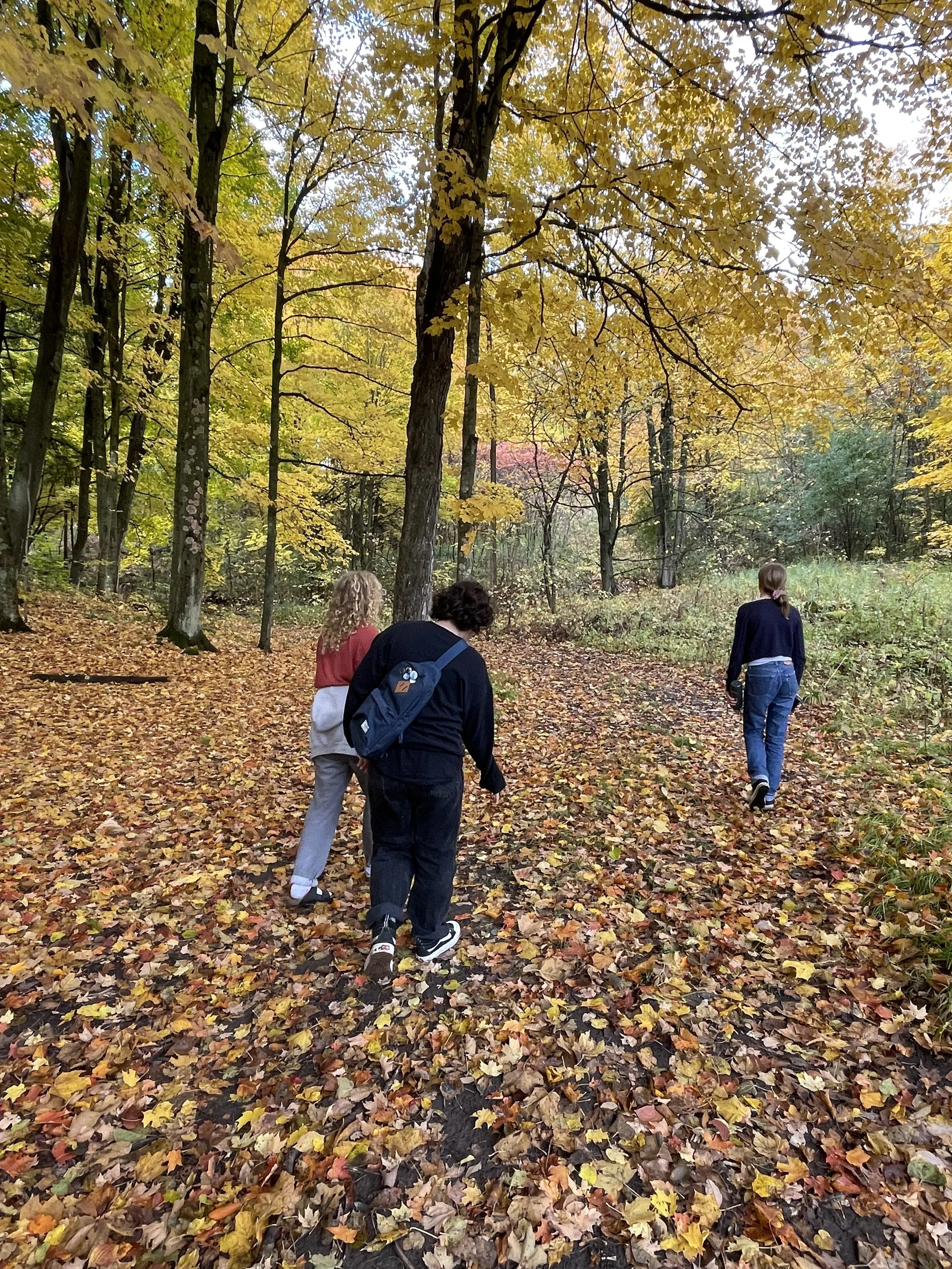
photo by: Hayden Pinchin
International research supports these findings. Lu, Wiersma, and Corpeleijn (2023) show that socioeconomic status and age jointly influence children’s screen time and outdoor play patterns, with families of lower socio-economic status often reporting more screen use and less outdoor activity. Anderson et al. (2008) similarly found sociodemographic gradients in U.S. children’s active play and screen time. Together, these studies suggest that environmental and social contexts shape how screen time interacts with recreation.
Adorjan and Ricciardelli’s (2021) interviews confirm that for many teenagers, heavy smartphone use crowds out time for hobbies, outdoor play, and face-to-face socializing. Youth spoke of late-night scrolling reducing sleep and making them too tired for daytime recreation—a pattern also observed in Vézina-Im et al. (2022). Even when outdoor facilities exist, the lure of online interactions can take precedence (Michaelson et al., 2020).
Parental, Social, and
Environmental Influences
Parental practices play a pivotal role in shaping children’s screen behaviors. Tang and colleagues (2018) found that mothers’ and fathers’ media parenting practices were associated with young children’s screen time, highlighting the importance of family norms and rules. Pyper, Harrington, and Manson (2016) showed that different types of parental support behaviors —such as setting limits and co-viewing—are linked to lower child screen time. These findings echo Lauricella et al.’s (2015) emphasis on the complex role of parents in early childhood screen habits. Yet Adorjan and Ricciardelli (2021) report that teens often find ways around restrictions, highlighting the need for self-regulation skills alongside parental limits.
Community and gender differences also matter. Prince, Roberts, Melvin, Butler, and Thompson (2020) analyzed Canadian sedentary behavior surveys and found differences by gender and education, suggesting that social norms influence how children and youth allocate their leisure. Maher et al. (2019) observed in out-of-school hours care that children spent large portions of time in sedentary screen activities rather than physical play, reinforcing the importance of program-level policies for balancing recreation. Rollo et al. (2023) examined how Canadian parents themselves met (or failed to meet) the 24-hour movement guidelines during the pandemic, underscoring that parental modeling may shape youth routines.
Research on Indigenous children highlights additional disparities. Owais et al. (2024) found that higher screen time among Indigenous children in Canada was associated with socioemotional and behavioral difficulties, suggesting that screen-related challenges may be particularly pronounced for some populations and require culturally appropriate strategies.

COVID-19 and Disruptions to Play and Digital Habits
The COVID-19 pandemic profoundly affected youth free time and digital habits. Moore et al. (2020) conducted a national survey showing that Canadian children and youth’s movement and play behaviors changed markedly during the outbreak, with declines in active play and increases in screen time. Duncan et al. (2023) similarly reported that adolescents’ recreational screen time increased while opportunities for physical and outdoor activity declined, exacerbating inequities. Ostermeier, Tucker, Clark, Seabrook, and Gilliland (2021) documented parents’ reports of Canadian elementary school children’s screen time during the pandemic, finding sustained increases compared to pre-pandemic levels. Szpunar et al. (2021) captured children’s and parents’ perspectives in Ontario, noting that organized sport and outdoor play were curtailed, with screens becoming a default activity. Adorjan and Ricciardelli (2021) note that isolation intensified smartphone and social media use, with teens describing deeper feelings of compulsion and difficulty “unplugging” as online spaces became their primary social outlet. This underscores that post-pandemic interventions must address both structural access to recreation and the social dynamics of online engagement.
These disruptions also affected parents. Rollo et al. (2023) found that many Canadian parents themselves struggled to meet movement guidelines during the pandemic, underscoring how family-level routines shifted in tandem. McArthur, Eirich, McDonald, Tough, and Madigan (2022) identified predictors of higher screen time during COVID-19, including older age and reduced offline opportunities. Collectively, these findings show that public health crises can accelerate existing trends toward greater screen use and less unstructured play.

Synthesis
Across the reviewed literature, Canadian youth routinely exceed recommended recreational screen time, engaging in multiple hours of screen-based activity daily. That screen time is multifaceted—video viewing, gaming, social media, browsing—and often integrates into multiple aspects of daily life. High screen time tends to displace free, spontaneous, unstructured, and outdoor play, key domains of recreation for children and youth (Ho et al., 2024; Crush, 2024; de Lannoy et al., 2023). This displacement reflects broader social changes: shrinking access to safe outdoor environments, parental safety concerns, and structured schedules (Skår & Krogh, 2009).
Context and equity matter. Youth in disadvantaged neighborhoods or with less access to outdoor infrastructure are more constrained in their ability to engage in play, thus relying more on screens (Carson & Janssen, 2012; Manyanga et al., 2022). Socio-economic status, parental practices, environmental disorder, and rural/urban differences moderate screen impacts (Lu et al., 2023; Pyper et al., 2016; Tang et al., 2018). The COVID-19 pandemic accentuated these disparities, pushing many youth into more screen-heavy routines while reducing opportunities for outdoor activity (Moore et al., 2020; Duncan et al., 2023; Ostermeier et al., 2021; Szpunar et al., 2021).
Although not all screen time is harmful—educational, creative, or socially connective uses may differ from passive consumption—the prevailing evidence cautions that excessive recreational screen time is seldom benign for free time and play. The Canadian guidelines emphasize “purposeful use” and the protection of time for unstructured, active, and nature-based play (Tremblay et al., 2011; LeBlanc et al., 2016). Addressing screen time in youth requires multi-level strategies, including parental mediation, community infrastructure for outdoor play, and policies in out-of-school programs (Maher et al., 2019).
Recommendations for Limiting Screen Time and Promoting Play
Research and public health guidance consistently emphasize that reducing recreational screen time must go hand in hand with creating opportunities for unstructured, non-screen-based play.
The Canadian Sedentary Behaviour Guidelines recommend limiting recreational screen time to no more than two hours per day for school-aged children and youth and balancing it with ample physical activity and sleep (Tremblay et al., 2011). Yet studies show that knowledge of these recommendations is low among Canadian children (LeBlanc et al., 2016) and that many parents struggle to model healthy behaviors themselves, especially during disruptions such as the COVID-19 pandemic (Rollo et al., 2023).
Evidence points to several strategies: setting clear household rules and practicing consistent media parenting (Tang et al., 2018; Pyper et al., 2016), designing after-school and child-care programs that prioritize active, outdoor play over screen-based entertainment (Maher et al., 2019), and ensuring equitable access to safe outdoor environments—particularly in high-disorder neighborhoods or communities with limited recreational infrastructure (Carson & Janssen, 2012; de Lannoy et al., 2020).
Scholars also urge greater investment in public spaces that support spontaneous play and nature contact, countering the long-term shift toward adult-controlled, indoor activities (Crush, 2024; Skår & Krogh, 2009). Building on these structural recommendations, Adorjan and Ricciardelli (2021) show that Canadian teenagers themselves recognize the addictive pull of smartphones and social media and express a need for tools to self-regulate their usage.
Incorporating youth perspectives underscores the importance of programs that go beyond setting limits to also develop digital literacy, self-awareness, and coping skills to manage online compulsion (MediaSmarts, 2022). Together, these recommendations underline that limiting screen time is most effective when paired with structural supports, parental practices, and youth-centered education that make non-screen activities more attractive and accessible for Canadian youth (MediaSmarts, 2022; Ho et al., 2024).
How to Cite this Text: Stinson, J. (2025). We Are Free to Play. In Digital Wellbeing Hub. Young Lives Research Lab. https://www.digitalwellbeinghub.ca/we-are-free-to-play — Funded by the Government of Canada.
Resources
*
Resources *
Explore Resources By:
Research – Reports, articles, findings, background reading
For Youth – Interactive tools, guides, and activities designed for youth
Supporting Youth – Resources for educators, parents, policymakers, and practitioners

Canada's State of the Youth Report
Government of Canada
Results and recommendations from consultations with 996 young people across Canada, in youth-identified priority areas including Health and Wellness.
Read the Report
Teen Digital Wellbeing Guide
Susan Crown Exchange
A guide to explore digital wellbeing and co-design solutions with teens. Includes 3 activities recommended grades 8–12...but we could all benefit!
Get the Guide
Scoping Review of Children’s and Youth’s Outdoor Play in Canada
Louise de Lannoy et al.
A landscape review (275 studies) on how outdoor play is studied in Canada, noting that Indigenous and land-based play is underrepresented.
Read Now
Bringing a Trauma-Sensitive Focus into Children’s Active Play
Sport for Life / SIRC
Guidance on designing play experiences that are trauma-aware, responsive, and healing.
Learn More
Children’s Right to Unstructured Play
Canadian Public Health Association
Position statement affirming children’s right to unstructured play and its importance for health.
Learn More
Video Gaming 101: Healthy vs. Problematic Gaming
Institute of Digital Media & Child Development
Clear overview for families and educators—useful to youth too—on healthy vs. problematic gaming.
Read Here
State of Play: Healthy & Problematic Video Gaming
Children and Screens
Research-informed guide to how gaming can support or strain wellbeing, with practical takeaways.
Read Here
Recreational Screen Time & Mental Health (Canada)
Public Health Agency of Canada
Analysis of 2019 CHSCY data: more recreational screen time is linked to lower odds of positive mental health.
Read Here
Open Library
Internet Archive Project
Free, playful discovery of stories and ideas—read classics, comics, and contemporary titles without a subscription.
Start Reading
Digital Futures for Children: Research Database
LSE & University of Western Australia
Free global database of quality research on children’s digital lives, with a user guide to help you explore.
Explore Database
How’s Life in the Digital Age
OECD (2019)
Summarizes 39 ways digital transformation impacts wellbeing, including play, leisure, and screen time.
Read Report
APA Health Advisory on Social Media Use in Adolescence
American Psychological Association
Practical, evidence-based guidance for minimizing risks and maximizing benefits of social media use.
Read PDF
Explore.org: Live Nature & Wildlife Cam Network
Explore Media / Annenberg Foundation
Watch live animal and nature cameras from around the world – quiet, beautiful, and grounding.
Explore Nature
Make My Drive Fun
Interactive Road-Trip Map Tool
Enter your start & end locations to discover quirky stops, hidden gems, and fun along your route. Please note that inputting routes uses location & map data.
Plan Your Route
Signs You Need a Break from Online (and What to Do)
Digital Wellbeing Hub
How to spot when you need a reset—plus an interactive Community Play-Book for off-screen rest, play, and boredom.
Check It Out
Building Better Tech Habits Guide
MediaSmarts (Canada)
Youth-facing guide for balancing screen time, play, and healthy tech habits.
Read Guide
Embracing Life App
Embracing Life Initiative
Free, co-designed app (with Indigenous youth) to support positivity, connection, and reaching out to a friend.
Download
Podcast: Who’s Watching? How Tech Companies Profit from Children’s Data
5Rights Foundation
5Rights Youth Ambassador Srishti talks with Prof. Shoshana Zuboff about how big tech harvests young people’s data.
Listen
Youth Digital Wellbeing
International Youth-Led Project
A youth-led hub with resources, events, and tools for navigating digital life.
Visit Site
Social Media & Society
Center for Humane Technology
Watch The Social Dilemma and use the youth toolkit to take control and imagine platforms for the common good.
Explore
SickKids: Screen Time Tips
AboutKidsHealth (SickKids)
Practical strategies to set healthy limits and reduce time gradually.
Read Tips
Screen Safety Toolkit for Teachers & Parents
Interior Health (Canada)
Guidance on screen safety, healthy play, and wellness for schools and families.
Read Toolkit
Using Parental Controls: Tip Sheet
MediaSmarts
Step-by-step guide for parental controls across devices, social media, and games.
Read Tip Sheet
Sport Information Resource Centre (SIRC)
Canada
Evidence-based resources to make sport and physical activity more fun, safe, and inclusive for all.
Visit SIRC
Rebooting Social Media
Harvard’s Berkman Klein Center
Research and resources for re-imagining healthier online social spaces for youth.
Visit
Hoopla Digital
Public Library Media Platform
Stream or download books, movies, TV shows, and music — all free with your public library card. Access entertainment and learning without limits.
Explore Hoopla
Well Beings: Conversation Card Deck
Young Lives Research Lab
An easy-to-play game designed to spark meaningful conversations about wellbeing in a digital age. Developed by our Canadian Youth Advisory Committee in the research project Partnership for Youth and Planetary Wellbeing.
Play NowExplore More Dimensions of Wellbeing
Complete the Survey!
Join the research conversation and see what others are saying (no email required).
View Live Results
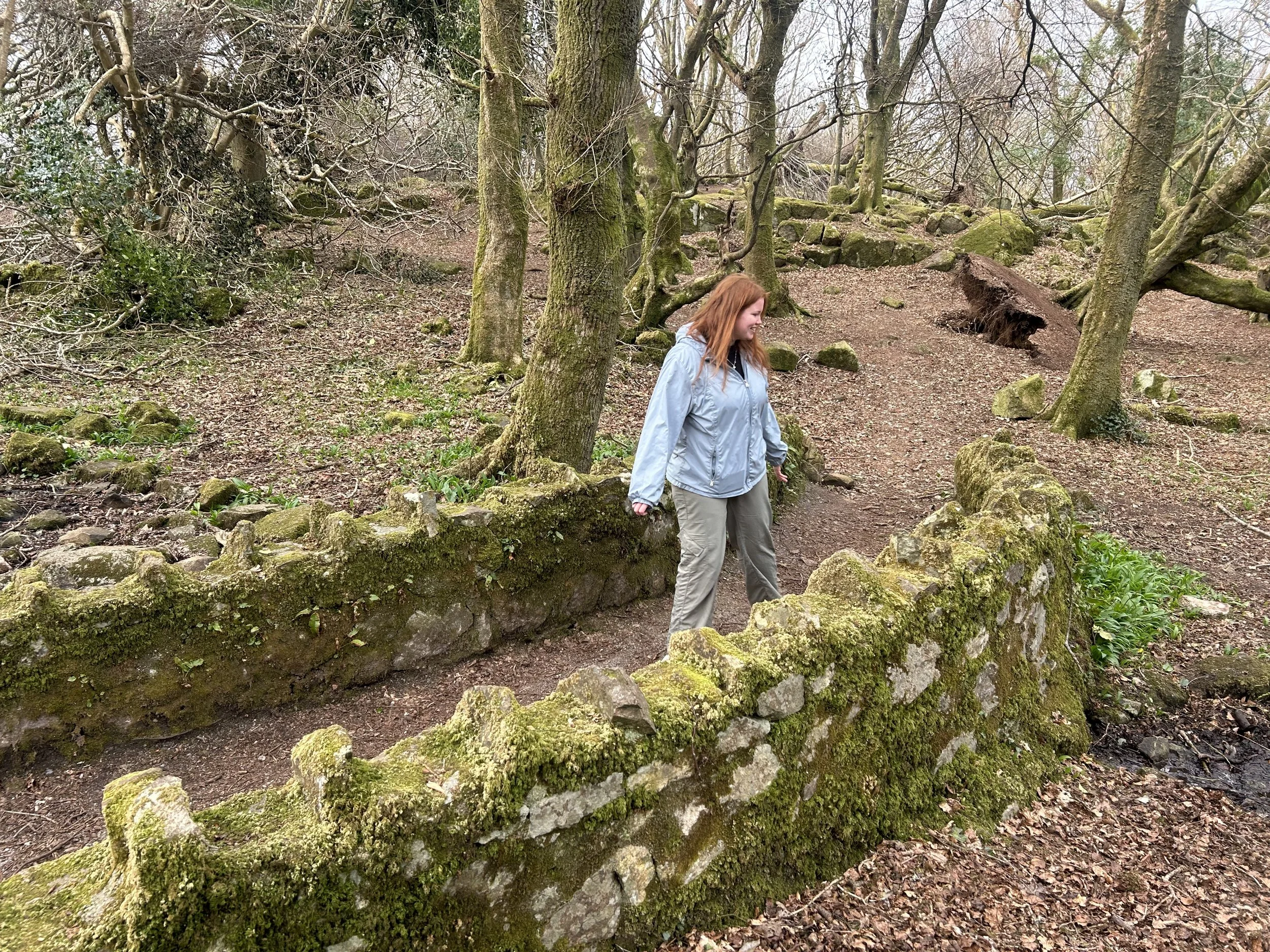
photo by: Chloe White-Meaney
Works Cited
Adorjan, M., & Ricciardelli, R. (2021). Smartphone and social media addiction: Exploring the perceptions and experiences of Canadian teenagers. Canadian Review of Sociology/Revue canadienne de sociologie, 58(1), 45–64.
Anderson, S. E., Economos, C. D., & Must, A. (2008). Active play and screen time in US children aged 4 to 11 years in relation to sociodemographic and weight status characteristics: A nationally representative cross-sectional analysis. BMC Public Health, 8(1), 366.
Carson, V., Rosu, A., & Janssen, I. (2014). A cross-sectional study of the environment, physical activity, and screen time among young children and their parents. BMC Public Health, 14(1), 61.
Carson, V., & Janssen, I. (2012). Neighborhood disorder and screen time among 10–16 year old Canadian youth: A cross-sectional study. International Journal of Behavioral Nutrition and Physical Activity, 9(1), 66.
Crush, N. (2024). Assessing the state of play among Canadian children. Canadian Journal of Family and Youth, 16(3), 410–417.
de Lannoy, L., Barbeau, K., Seguin, N., & Tremblay, M. S. (2023). Scoping review of children’s and youth’s outdoor play publications in Canada. Health Promotion and Chronic Disease Prevention in Canada: Research, Policy and Practice, 43(1), 1.
de Lannoy, L., Rhodes, R. E., Moore, S. A., Faulkner, G., & Tremblay, M. S. (2020). Regional differences in access to the outdoors and outdoor play of Canadian children and youth during the COVID-19 outbreak. Canadian Journal of Public Health, 111(6), 988–994.
Duncan, M. J., Riazi, N. A., Belita, E., Amores, A., Vanderloo, L. M., Carsley, S., & Laxer, R. E. (2023). Physical activity and recreational screen time change among adolescents in Canada: Examining the impact of COVID-19 in worsening inequity. Preventive Medicine, 175, 107676.
Fitzpatrick, C., Burkhalter, R., & Asbridge, M. (2021). Characteristics of Canadian youth adhering to physical activity and screen time recommendations. The Journal of School Nursing, 37(6), 421–430.
Ho, S. N. J., Yu, M. L., & Brown, T. (2024). The relationship between children’s screen time and the time they spend engaging in play: An exploratory study. Journal of Occupational Therapy, Schools, & Early Intervention, 17(4), 903–922.
Kerai, S., Almas, A., Guhn, M., Forer, B., & Oberle, E. (2022). Screen time and developmental health: Results from an early childhood study in Canada. BMC Public Health, 22(1), 310.
Larson, L. R., Szczytko, R., Bowers, E. P., Stephens, L. E., Stevenson, K. T., & Floyd, M. F. (2019). Outdoor time, screen time, and connection to nature: Troubling trends among rural youth? Environment and Behavior, 51(8), 966–991.
Lauricella, A. R., Wartella, E., & Rideout, V. J. (2015). Young children's screen time: The complex role of parent and child factors. Journal of Applied Developmental Psychology, 36, 11–17.
LeBlanc, A. G., Boyer, C., Borghese, M. M., Chaput, J. P., Leduc, G., Tremblay, M. S., & Longmuir, P. E. (2016). Canadian Physical Activity and Screen Time Guidelines: Do children know? Health Behavior and Policy Review, 3(5), 444–454.
Lu, C., Wiersma, R., & Corpeleijn, E. (2023). The association among SES, screen time, and outdoor play in children at different ages: The GECKO Drenthe study. Frontiers in Public Health, 10, 1042822.
Maher, C., Virgara, R., Okely, T., Stanley, R., Watson, M., & Lewis, L. (2019). Physical activity and screen time in out of school hours care: An observational study. BMC Pediatrics, 19(1), 283.
Manyanga, T., Pelletier, C., Prince, S. A., Lee, E. Y., Sluggett, L., & Lang, J. J. (2022). A comparison of meeting physical activity and screen time recommendations between Canadian youth living in rural and urban communities: A nationally representative cross-sectional analysis. International Journal of Environmental Research and Public Health, 19(7), 4394.
Mark, A. E., Boyce, W. F., & Janssen, I. (2006). Television viewing, computer use and total screen time in Canadian youth. Paediatrics & Child Health, 11(9), 595–599.
McArthur, B. A., Eirich, R., McDonald, S., Tough, S., & Madigan, S. (2021). Screen use relates to decreased offline enrichment activities. Acta Paediatrica, 110(3), 896–898.
McArthur, B. A., Eirich, R., McDonald, S., Tough, S., & Madigan, S. (2022). Predictors of preadolescent children's recreational screen time duration during the COVID-19 pandemic. Journal of Developmental & Behavioral Pediatrics, 43(6), 353–361.
MediaSmarts. (2022). Young Canadians in a wireless world, Phase IV: Life online. MediaSmarts.
Michaelson, V., King, N., Janssen, I., Lawal, S., & Pickett, W. (2020). Electronic screen technology use and connection to nature in Canadian adolescents: A mixed methods study. Canadian Journal of Public Health, 111(4), 502–514.
Moore, S. A., Faulkner, G., Rhodes, R. E., Brussoni, M., Chulak-Bozzer, T., Ferguson, L. J., Mitra, R., … Tremblay, M. S. (2020). Impact of the COVID-19 virus outbreak on movement and play behaviours of Canadian children and youth: A national survey. International Journal of Behavioral Nutrition and Physical Activity, 17(1), 85.
Ostermeier, E., Tucker, P., Clark, A., Seabrook, J. A., & Gilliland, J. (2021). Parents’ report of Canadian elementary school children’s physical activity and screen time during the COVID-19 pandemic: A longitudinal study. International Journal of Environmental Research and Public Health, 18(23), 12352.
Owais, S., Ospina, M. B., Ford, C., Hill, T., Savoy, C. D., & Van Lieshout, R. (2024). Screen time and socioemotional and behavioural difficulties among Indigenous children in Canada. The Canadian Journal of Psychiatry, 69(5), 337–346.
Prince, S. A., Roberts, K. C., Melvin, A., Butler, G. P., & Thompson, W. (2020). Gender and education differences in sedentary behaviour in Canada: An analysis of national cross-sectional surveys. BMC Public Health, 20(1), 1170.
Pyper, E., Harrington, D., & Manson, H. (2016). The impact of different types of parental support behaviours on child physical activity, healthy eating, and screen time: A cross-sectional study. BMC Public Health, 16(1), 568.
Rideout, V. (2015). The common sense census: Media use by tweens and teens. Common Sense Media.
Rideout, V. (2018). Measuring time spent with media: The Common Sense census of media use by US 8-to 18-year-olds. In Children, Adolescents, and Media (pp. 96–102). Routledge.
Rollo, S., Sckrapnick, A., Campbell, J. E., Moore, S. A., Faulkner, G., & Tremblay, M. S. (2023). Prevalence and correlates of meeting the Canadian 24-hour movement guidelines among a sample of Canadian parents during the COVID-19 pandemic. Journal of Activity, Sedentary and Sleep Behaviors, 2(1), 17.
Skår, M., & Krogh, E. (2009). Changes in children's nature-based experiences near home: From spontaneous play to adult-controlled, planned and organised activities. Children's Geographies, 7, 339–354. https://doi.org/10.1080/14733280903024506
Szpunar, M., Vanderloo, L. M., Bruijns, B. A., Truelove, S., Burke, S. M., Gilliland, J., & Tucker, P. (2021). Children and parents’ perspectives of the impact of the COVID-19 pandemic on Ontario children’s physical activity, play, and sport behaviours. BMC Public Health, 21(1), 2271.
Tang, L., Darlington, G., Ma, D. W., Haines, J., & Guelph Family Health Study. (2018). Mothers’ and fathers’ media parenting practices associated with young children’s screen-time: A cross-sectional study. BMC Obesity, 5(1), 37.
Tremblay, M. S., LeBlanc, A. G., Janssen, I., Kho, M. E., Hicks, A., Murumets, K., … & Duggan, M. (2011). Canadian sedentary behaviour guidelines for children and youth. Applied Physiology, Nutrition, and Metabolism, 36(1), 59–64.
Tsiros, M. D., Samaras, M. G., Coates, A. M., & Olds, T. (2017). Use-of-time and health-related quality of life in 10-to 13-year-old children: Not all screen time or physical activity minutes are the same. Quality of Life Research, 26(11), 3119–3129.
Vézina-Im, L. A., Beaulieu, D., Turcotte, S., Roussel-Ouellet, J., Labbé, V., & Bouchard, D. (2022). Association between recreational screen time and sleep quality among adolescents during the third wave of the COVID-19 pandemic in Canada. International Journal of Environmental Research and Public Health, 19(15), 9019.
Recent Comments
Only comments that meet our community standards are shown.